Propaganda & Decoration
Revmira Ramanov had just seen a show at Cabinet Gallery and felt like she had left something small but important behind, like a glove or a version of herself that understood the title Bolshevik Drag without needing to understand it. The first time she had been there was to film a fashion show with that same name, and she remembered thinking: this is brilliant. Not because she knew why, but because she didn’t, and somehow that felt like the point.
The door was heavier than she expected, and when she pushed it open, the park spilled in immediately: children, or maybe not children but small people attached to taller people, parents or nannies or something in between. She could never quite tell. It didn’t matter. They existed in that soft, interchangeable way that made her feel both outside and gently included like a tableaux vivant, the type that is at every museum opening these days. The building itself was new, almost aggressively so, like it refused any past life. No trace of Soviet anything. If anything, it was the opposite, a kind of clean, bright place for ideas that already knew they were ideas. Propaganda and decoration, they said. She loved that. It felt like someone admitting to having a face.
It’s one of those implausibly perfect London days, the sort that feels engineered to justify the exuberant rent. Revmira walks into the park, sits under a tree, and calls her deda. He’s 94, which felt like a number you could hold in your mouth. He used FaceTime, which was his main personality trait among his friends at senior gymnastics. He couldn’t actually call anyone himself, but that wasn’t the story. The story was: a ninety-four-year-old man video calls his granddaughter evading loneliness epidemic. She liked that version too. After a few attempts, he picks up, apologising, blaming the phone. She lets it slide. Frictionless stories are always preferable.
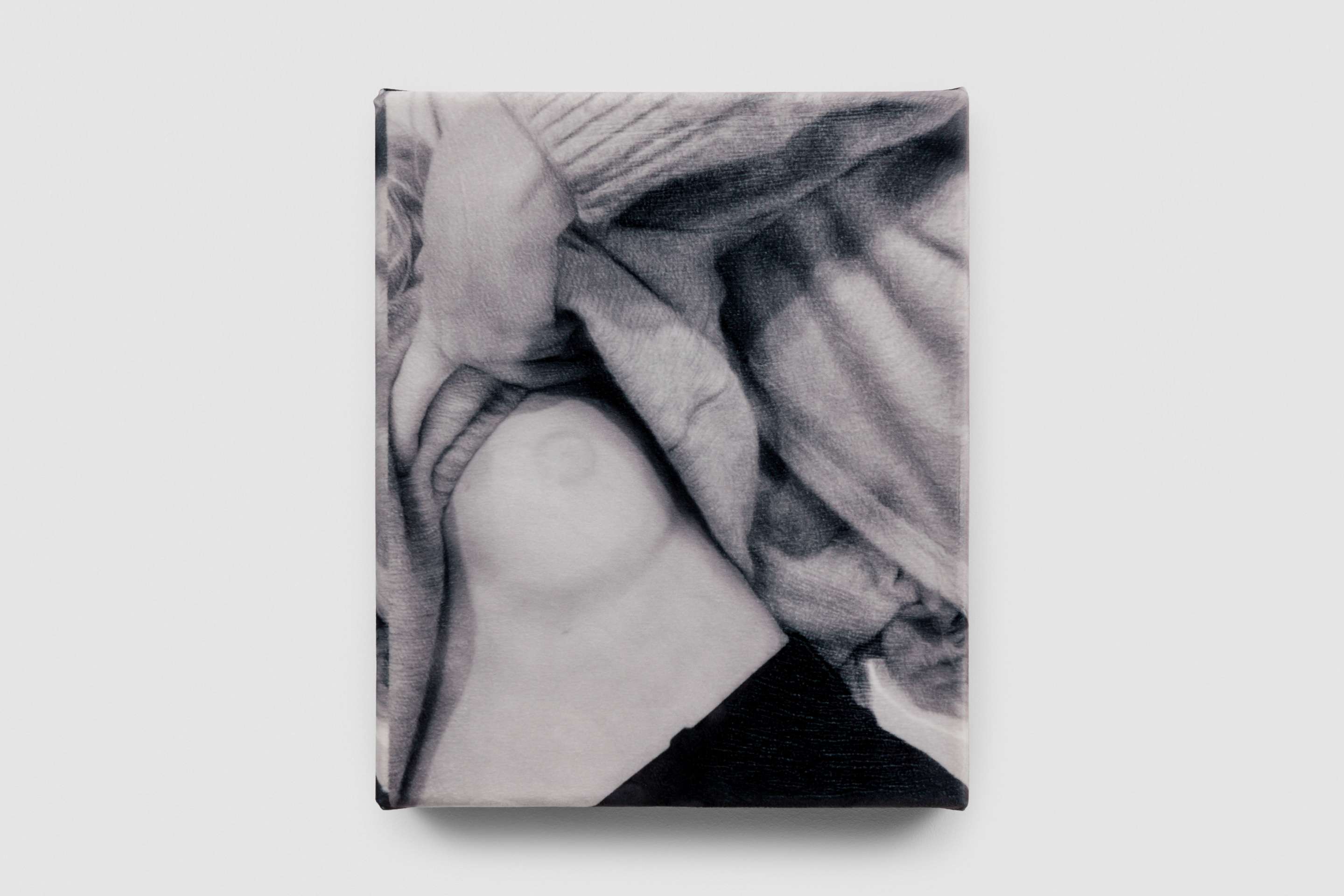
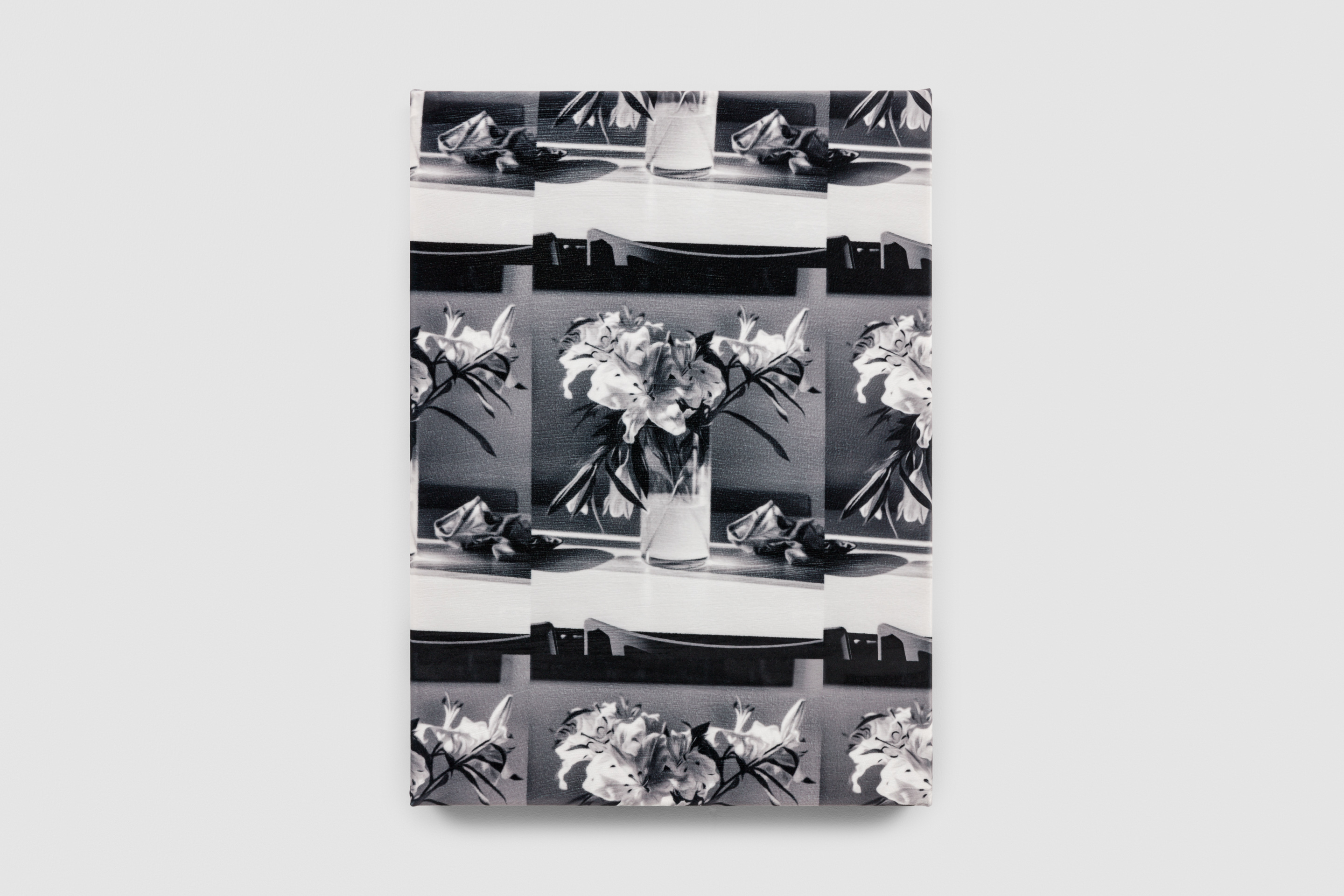
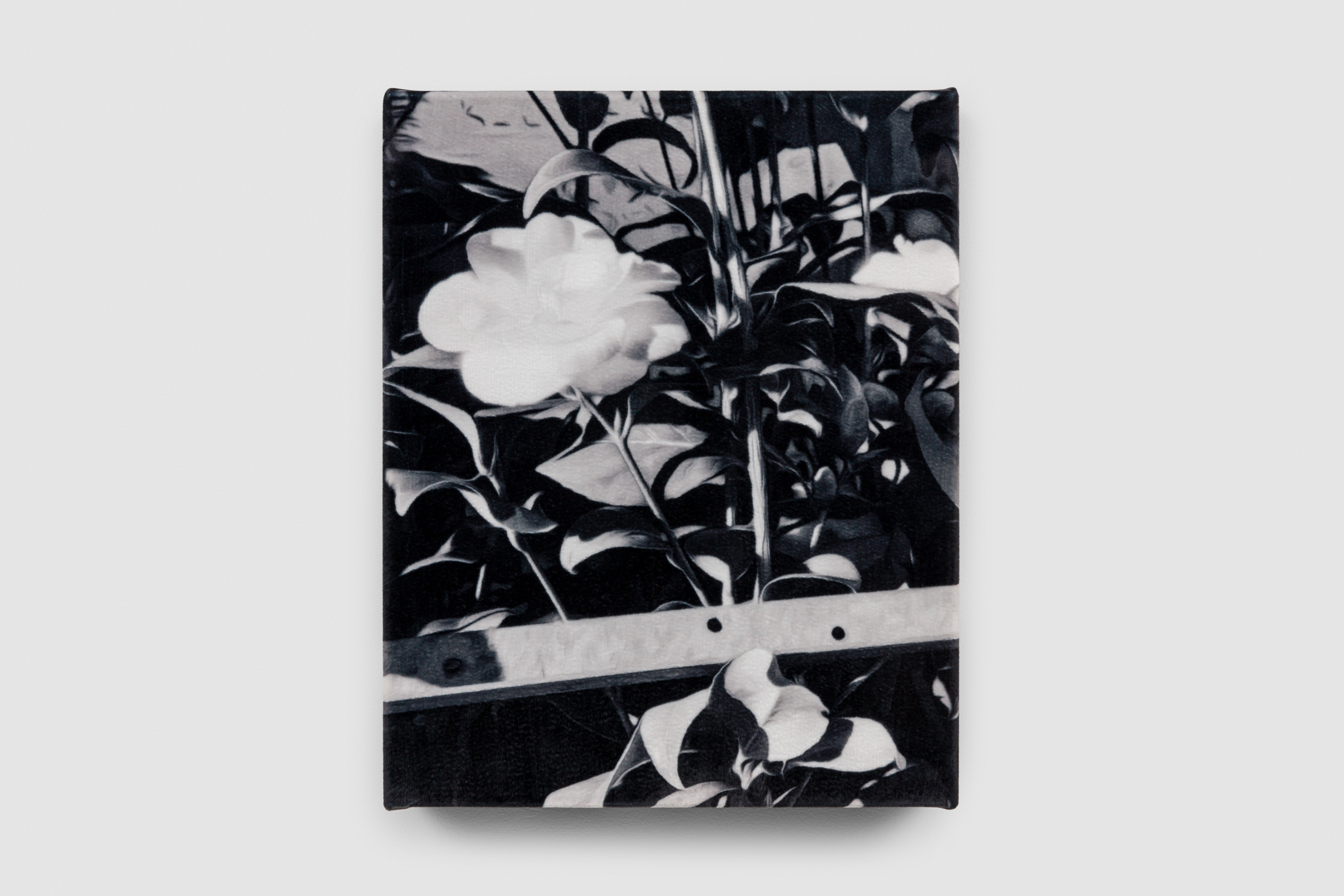
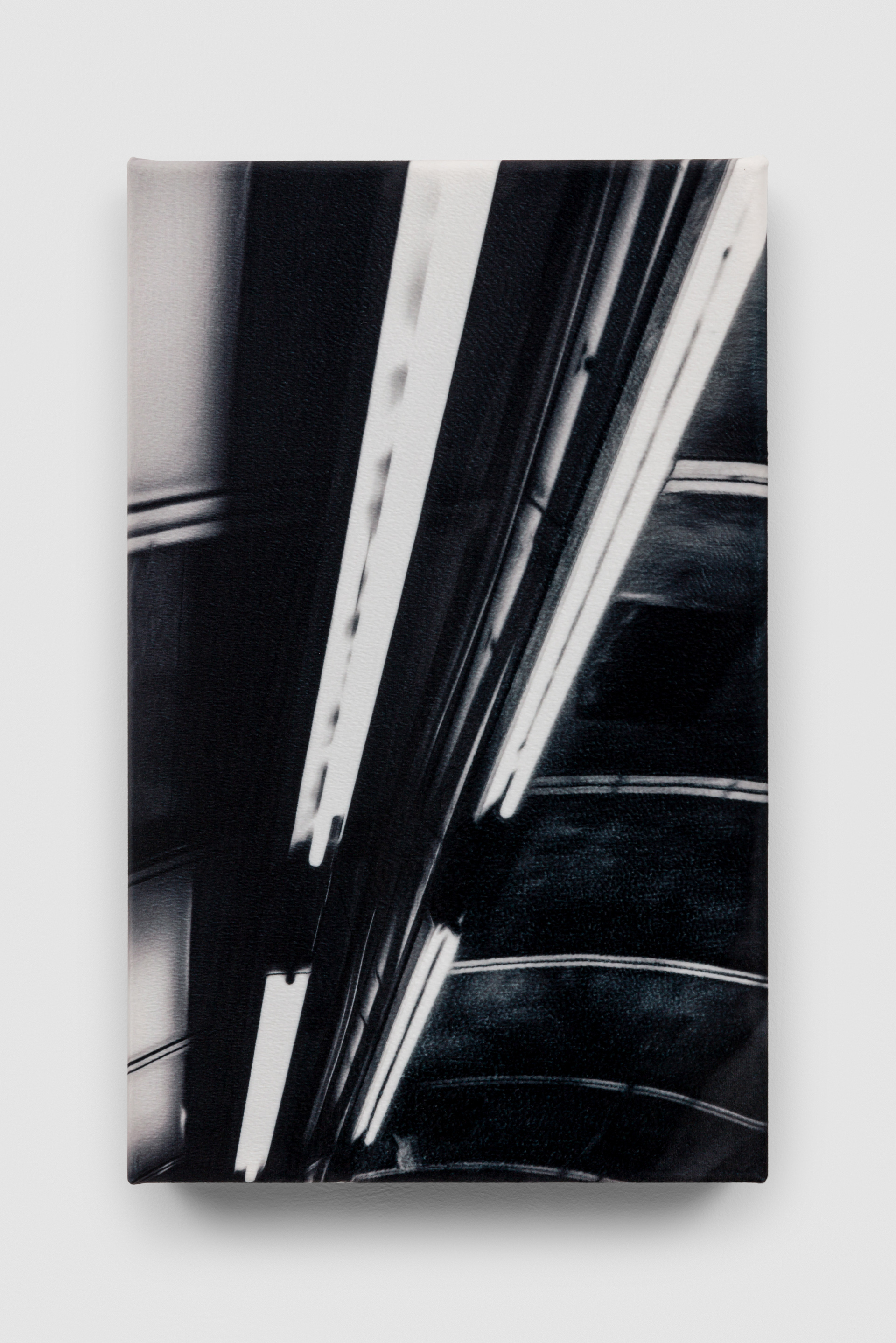
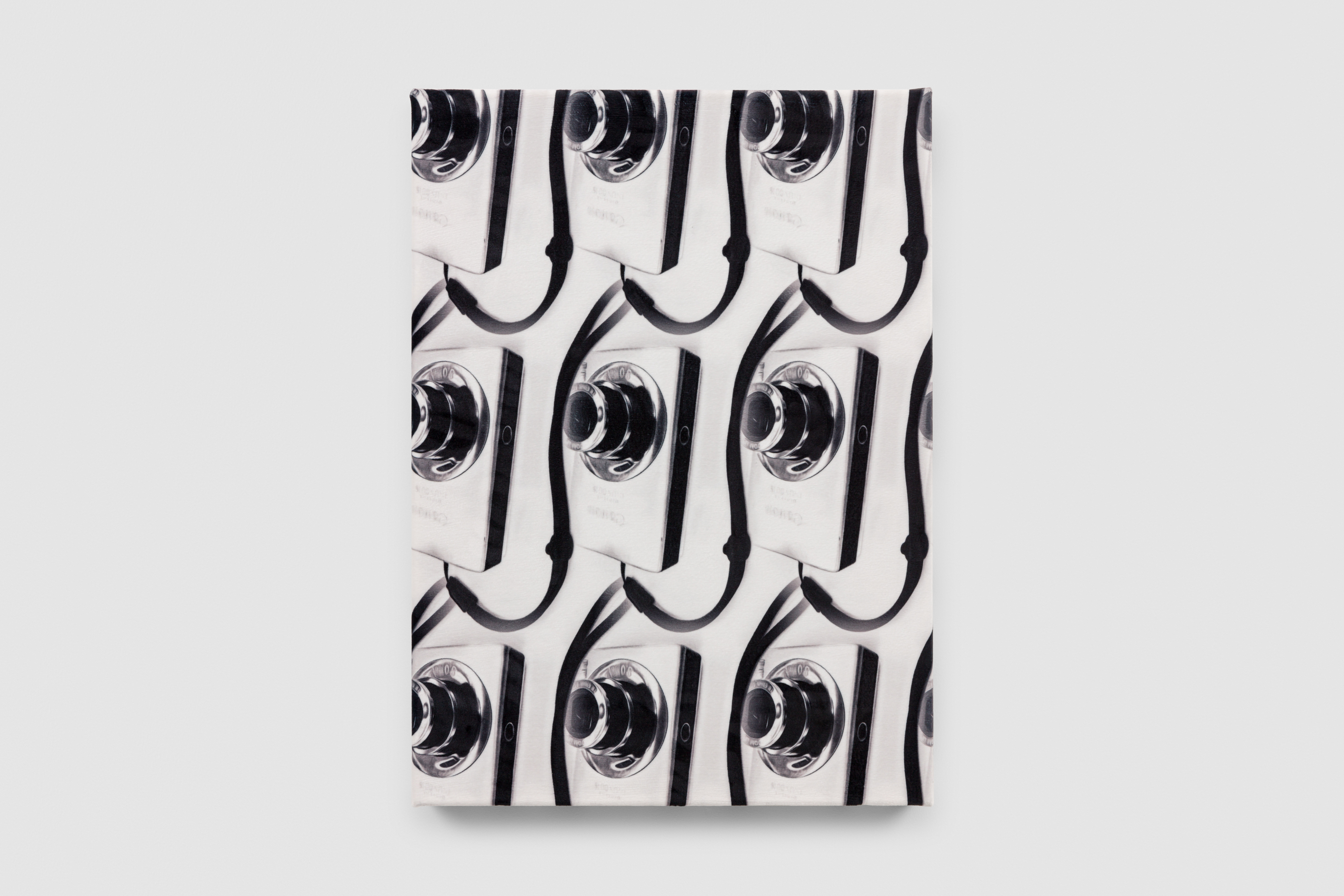
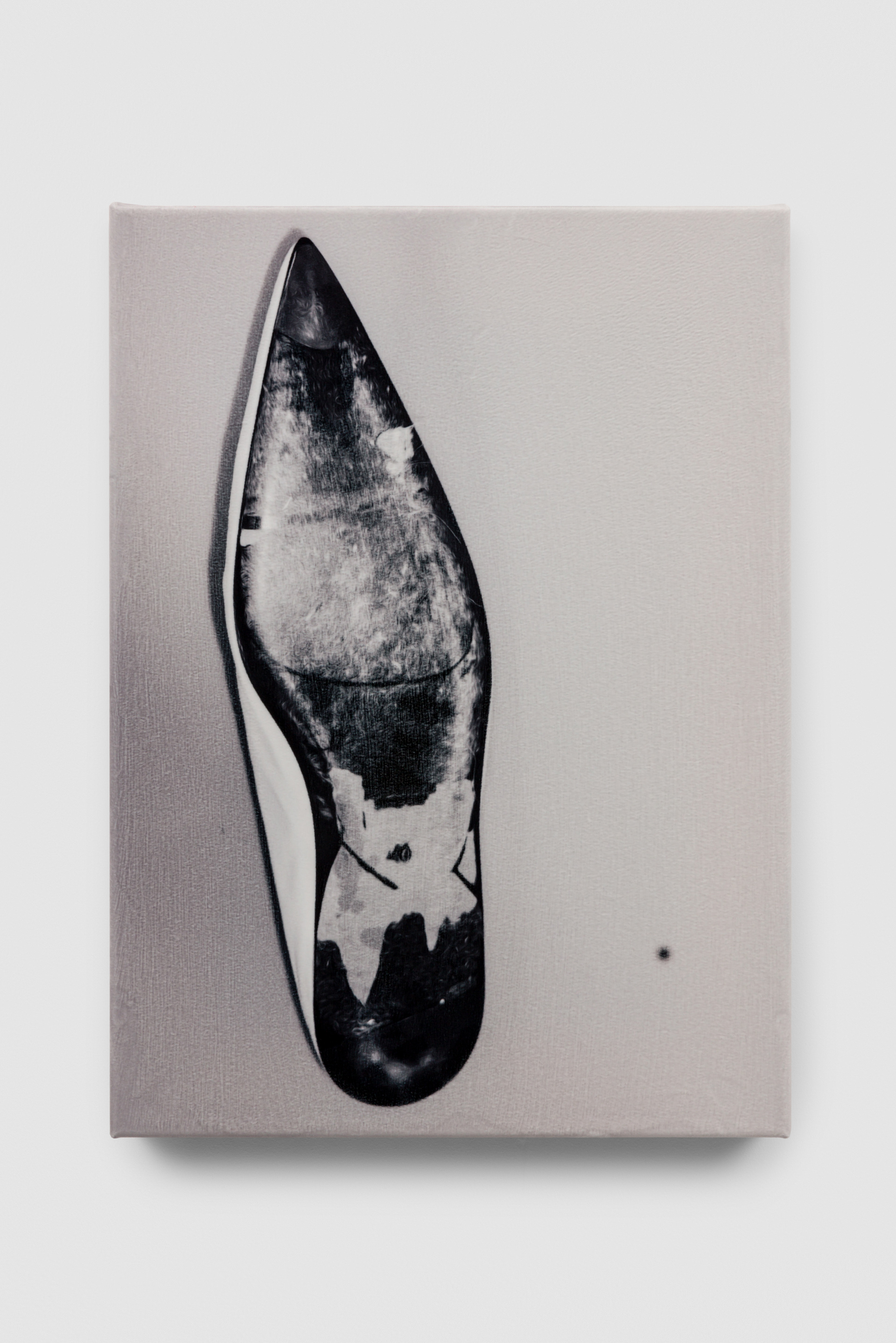
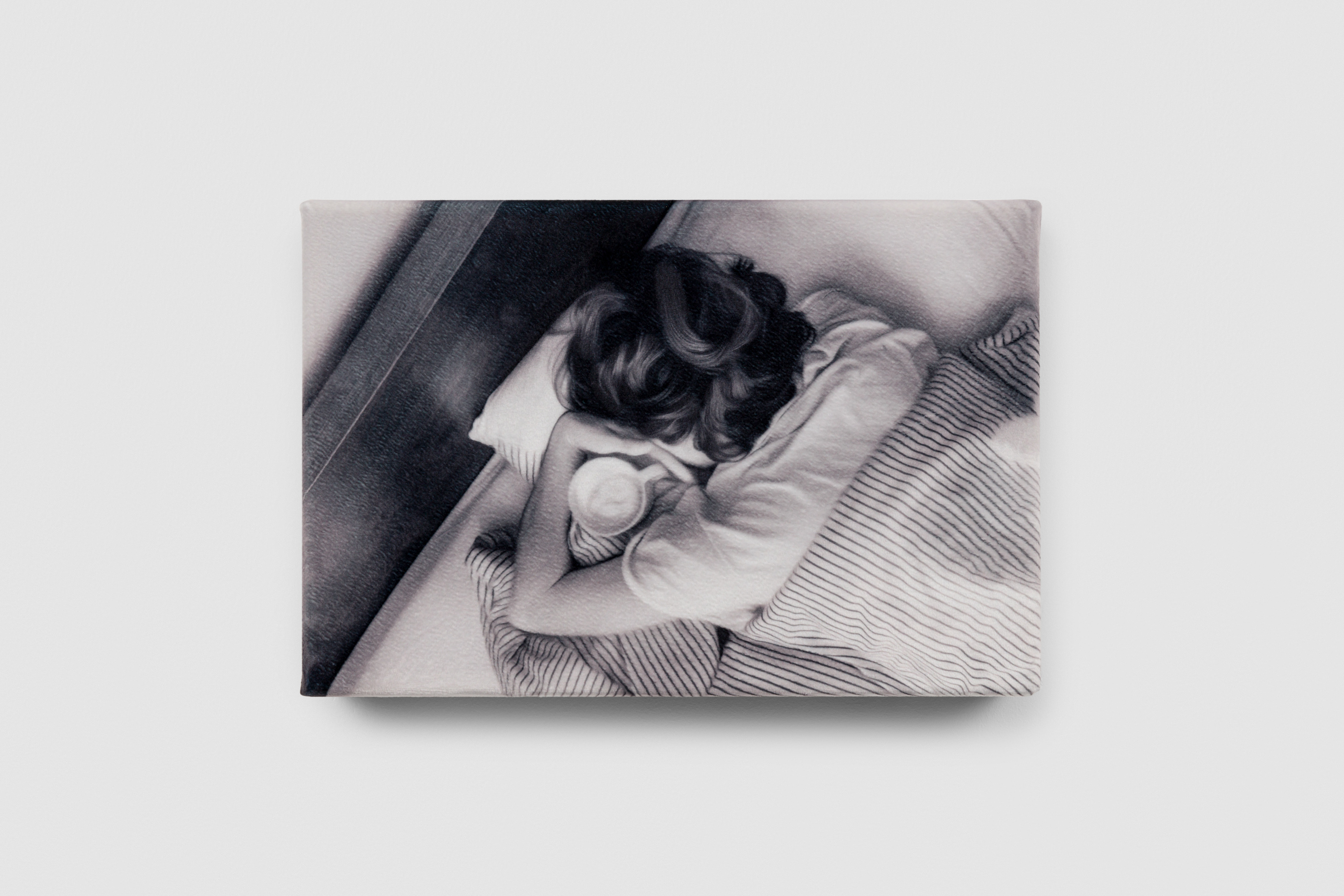
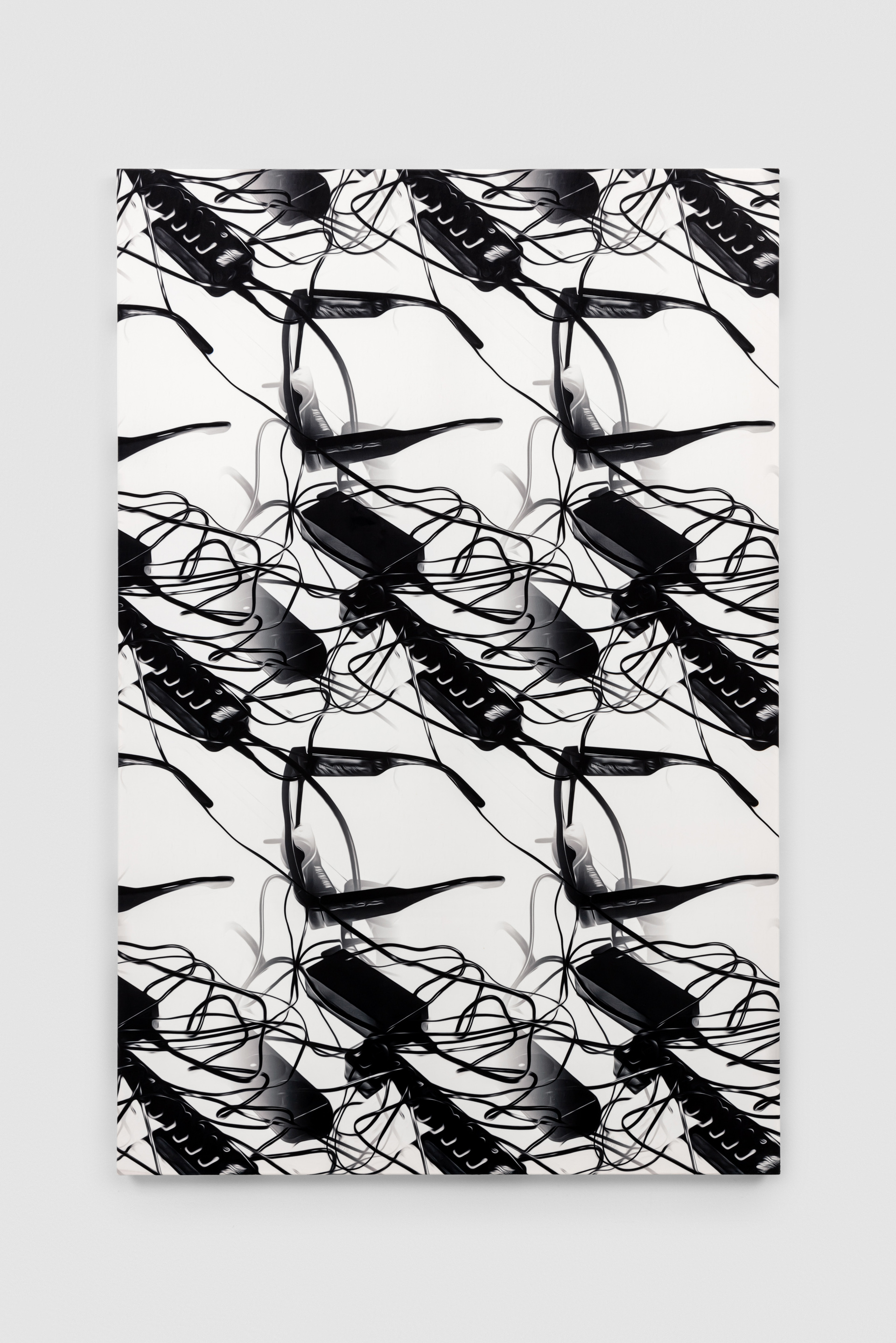
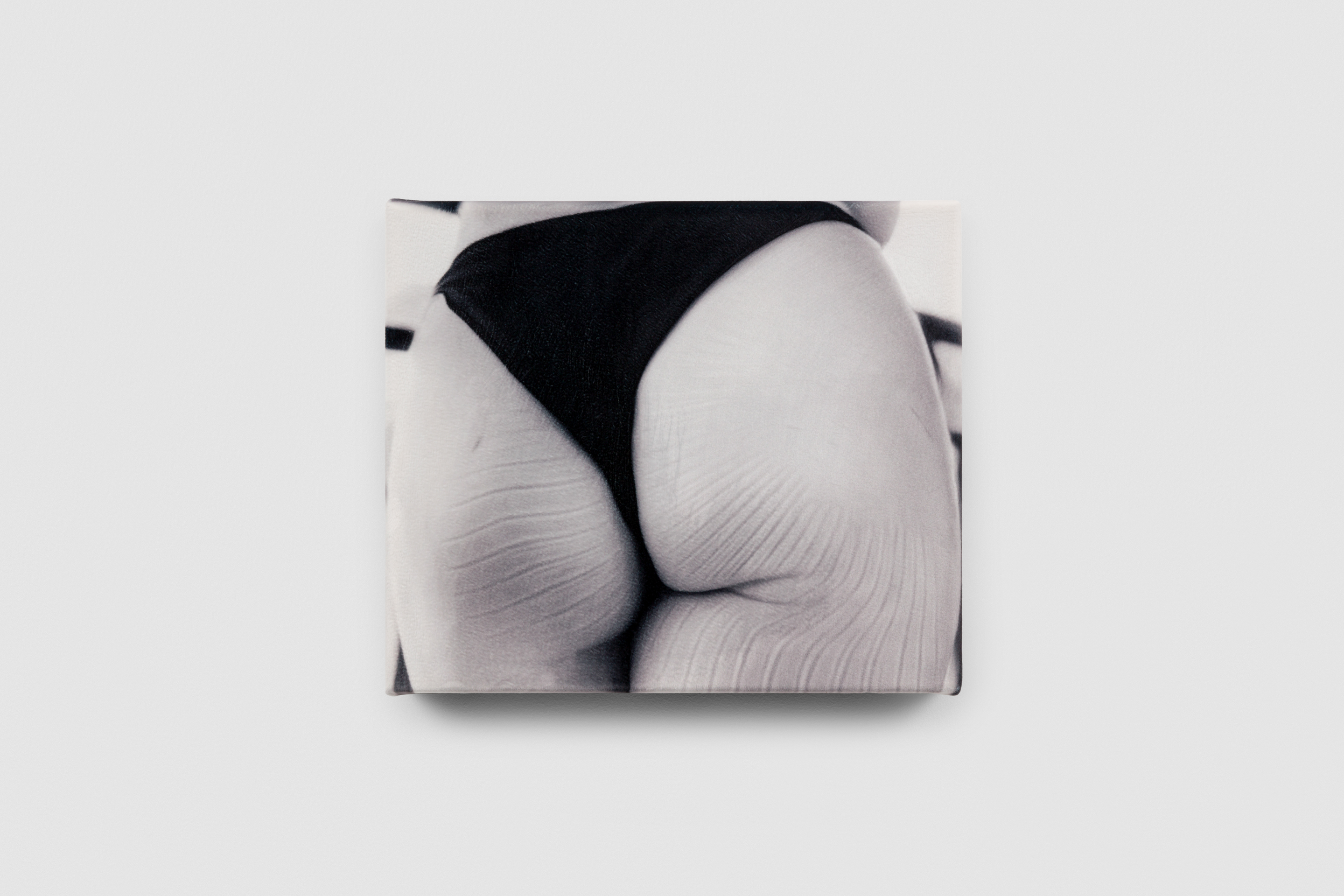
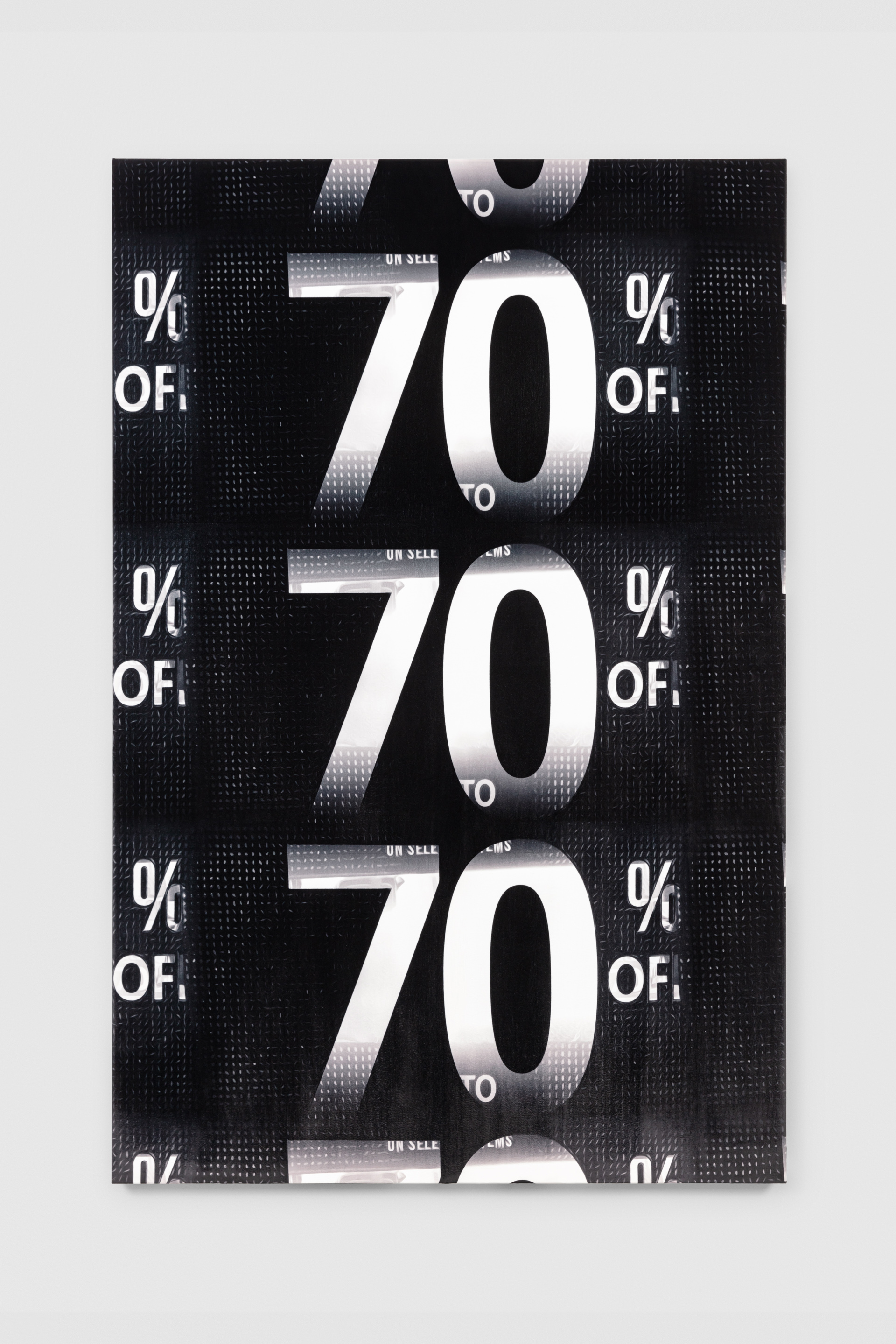
She tells him about the show. He doesn’t really get it: why Soviet imagery returns as styling, as costume, as something ironic and light. For him, it’s not a reference but a memory, which makes the whole thing feel slightly misplaced. She counters, gently, that this is just how things function now. He responds by bringing up her photos, the black-and-white ones. He’s never understood why anyone would discard colour if they had it.
This lands more than she expects. Because he’s right, in a way. Black and white is a kind of refusal, or maybe a correction. Colour reveals too much, or the wrong things. She thinks of recent photos from the Anthem Karaoke Night, how brutal they looked online: her skin, the lighting, everything over specified, aggressively present. Black and white would have smoothed it out, turned it into something else, something legible. August-Sander-Vibe as damage control.
She tries to explain “vibe,” immediately aware of how thin it sounds, like a placeholder for a theory that probably exists somewhere in a slim Verso paperback or an esoteric aura explainer. But still, vibe feels real enough, an ambient logic that organizes everything without quite revealing itself. Filters are part of these technologies of feeling. She thinks about old photographs, about nightclubs such as LOST that tried to be like other nightclubs such as Studio 54, about how everything seemed like a copy but also not quite, death of the future? What if something was only a filter? No original underneath. Just the filter itself, floating.
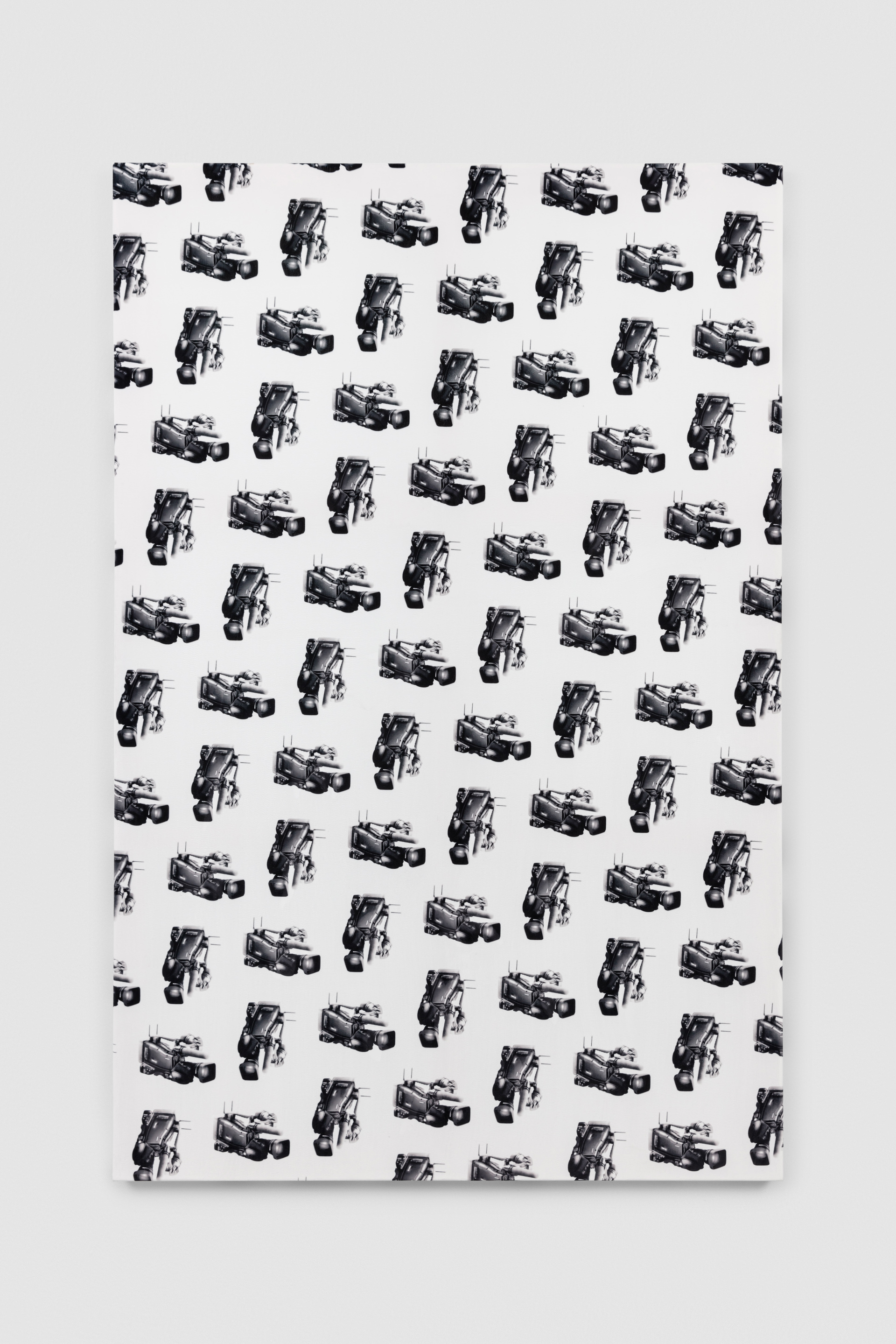
Her deda is talking about his new television now. The clarity. The brightness. He is so proud of it. She nods, even though she hates that kind of clarity. It feels invasive, like the world is being shown to her more precisely than she can handle. She prefers something else: distortion, mediation, the sense of slipping into the image rather than confronting it, becoming a pattern instead of a person. She thinks about those videos where everything slightly melts, like Pipilotti Rist’s Pickel Porn. Maybe that is enough, she thinks. Melting Surfaces only displaying filters.
She has a sudden thought: next time, she will come here in the morning, eat something simple like toast with butter, and take acid. Just to see. Just to feel what it would be like to become the filter instead of applying it. But even as the thought arrives, she knows she doesn’t really want to. She likes the version where she can step in and out. Turn it on, turn it off. Live, then edit. Experience, then narrate. She realizes she loves that most of all the ability to see her life as something already shaped, already retellable. Every moment a draft. Every feeling something she can adjust.
At some point she realises she’s stopped listening. Her deda continues, undisturbed, describing resolution, brightness, clarity. The metrics of a world she isn’t sure she wants. She watches the light through the leaves instead, already half-translating it into an image, into something that could be framed, retold, circulated, it was her favorite activity, to just think how things woudl be captured by people she made up in her head.
That’s the thing, really: life as something continuously processed, adjusted, redistributed. Not less real for it, just differently organised. She likes the ability to move between states, to flatten or intensify at will. Black and white as a tool, as a style, as a minor ideology. Tumblr logic, corporate minimalism, hot girl acellerator, melancholy hill, conceptual minimalism, like an aesthetic decision you could apply to anything and suddenly it made sense.
How could a filter be everything?
And why did it feel like it already was?
Her deda finally noticed she was not listening and said he had to go to gym class now.
Revmira Ramanov had just seen a show at Cabinet Gallery and felt like she had left something small but important behind, like a glove or a version of herself that understood the title Bolshevik Drag without needing to understand it. The first time she had been there was to film a fashion show with that same name, and she remembered thinking: this is brilliant. Not because she knew why, but because she didn’t, and somehow that felt like the point.
The door was heavier than she expected, and when she pushed it open, the park spilled in immediately: children, or maybe not children but small people attached to taller people, parents or nannies or something in between. She could never quite tell. It didn’t matter. They existed in that soft, interchangeable way that made her feel both outside and gently included like a tableaux vivant, the type that is at every museum opening these days. The building itself was new, almost aggressively so, like it refused any past life. No trace of Soviet anything. If anything, it was the opposite, a kind of clean, bright place for ideas that already knew they were ideas. Propaganda and decoration, they said. She loved that. It felt like someone admitting to having a face.
It’s one of those implausibly perfect London days, the sort that feels engineered to justify the exuberant rent. Revmira walks into the park, sits under a tree, and calls her deda. He’s 94, which felt like a number you could hold in your mouth. He used FaceTime, which was his main personality trait among his friends at senior gymnastics. He couldn’t actually call anyone himself, but that wasn’t the story. The story was: a ninety-four-year-old man video calls his granddaughter evading loneliness epidemic. She liked that version too. After a few attempts, he picks up, apologising, blaming the phone. She lets it slide. Frictionless stories are always preferable.
She tells him about the show. He doesn’t really get it: why Soviet imagery returns as styling, as costume, as something ironic and light. For him, it’s not a reference but a memory, which makes the whole thing feel slightly misplaced. She counters, gently, that this is just how things function now. He responds by bringing up her photos, the black-and-white ones. He’s never understood why anyone would discard colour if they had it.
This lands more than she expects. Because he’s right, in a way. Black and white is a kind of refusal, or maybe a correction. Colour reveals too much, or the wrong things. She thinks of recent photos from the Anthem Karaoke Night, how brutal they looked online: her skin, the lighting, everything over specified, aggressively present. Black and white would have smoothed it out, turned it into something else, something legible. August-Sander-Vibe as damage control.
She tries to explain “vibe,” immediately aware of how thin it sounds, like a placeholder for a theory that probably exists somewhere in a slim Verso paperback or an esoteric aura explainer. But still, vibe feels real enough, an ambient logic that organizes everything without quite revealing itself. Filters are part of these technologies of feeling. She thinks about old photographs, about nightclubs such as LOST that tried to be like other nightclubs such as Studio 54, about how everything seemed like a copy but also not quite, death of the future? What if something was only a filter? No original underneath. Just the filter itself, floating.
Her deda is talking about his new television now. The clarity. The brightness. He is so proud of it. She nods, even though she hates that kind of clarity. It feels invasive, like the world is being shown to her more precisely than she can handle. She prefers something else: distortion, mediation, the sense of slipping into the image rather than confronting it, becoming a pattern instead of a person. She thinks about those videos where everything slightly melts, like Pipilotti Rist’s Pickel Porn. Maybe that is enough, she thinks. Melting Surfaces only displaying filters.
She has a sudden thought: next time, she will come here in the morning, eat something simple like toast with butter, and take acid. Just to see. Just to feel what it would be like to become the filter instead of applying it. But even as the thought arrives, she knows she doesn’t really want to. She likes the version where she can step in and out. Turn it on, turn it off. Live, then edit. Experience, then narrate. She realizes she loves that most of all the ability to see her life as something already shaped, already retellable. Every moment a draft. Every feeling something she can adjust.
At some point she realises she’s stopped listening. Her deda continues, undisturbed, describing resolution, brightness, clarity. The metrics of a world she isn’t sure she wants. She watches the light through the leaves instead, already half-translating it into an image, into something that could be framed, retold, circulated, it was her favorite activity, to just think how things woudl be captured by people she made up in her head.
That’s the thing, really: life as something continuously processed, adjusted, redistributed. Not less real for it, just differently organised. She likes the ability to move between states, to flatten or intensify at will. Black and white as a tool, as a style, as a minor ideology. Tumblr logic, corporate minimalism, hot girl acellerator, melancholy hill, conceptual minimalism, like an aesthetic decision you could apply to anything and suddenly it made sense.
How could a filter be everything?
And why did it feel like it already was?
Her deda finally noticed she was not listening and said he had to go to gym class now.